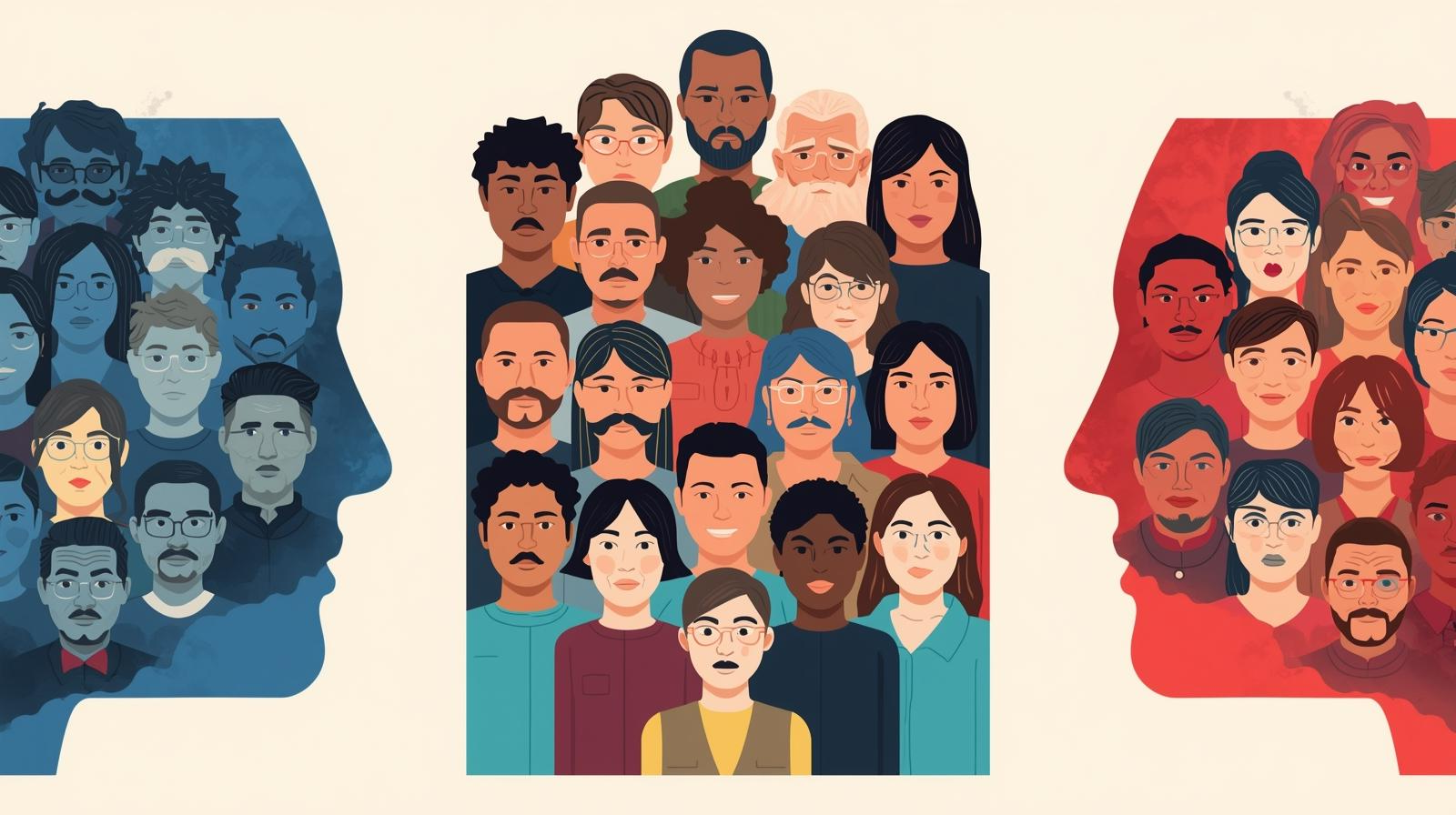
“The nation has a fever, and it's an illness with many causes. Neither side has a monopoly on violence or on mental health. We're isolated, we're lonely, we're fragmented.”
– Michael Smerconish, CNN & Sirius XM political host and commentator
Political violence is dominating America today. Rhetorical violence and physical violence are overwhelming civil discourse and civil society. Is it time to fold the tent and accept that the United States of America is a horrible place and we are destined to never experience anything better and safer in our nation?
How do we fix this?
I believe connection is the cure – and I’m not alone.
If you believe it too, then please join us for Atlanta Mingle Day 2025 – more information is here.
If you are not sure, read on!
This event is inspired by Michael Smerconish, who has been preaching the need for and power of connection for years. Smerconish has hit the exclamation point on connection with his “Mingle Movie” and the “Mingle Project,” which shares resources and invites people around the country to meet up with people in their communities for connection on a regular basis.
On his programs, Smerconish has enlisted numerous witnesses to underscore the power of connection through the years:
- Richard Louv, author of “Last Child in the Woods: Saving Our Children From Nature-Deficit Disorder,” has said: “We had family not far away so we had their support too. … The endless fear-mongering of the past decades has destroyed much of people’s interest in the neighborliness and community that supported my parents.”
- Robert Putnam, author of “Bowling Alone: The Collapse and Revival of American Community,” has said: “Community connectedness is not just about warm fuzzy tales of civic triumph. In measurable and well-documented ways, social capital makes an enormous difference in our lives. . . Social capital makes us smarter, healthier, safer, richer, and better able to govern a just and stable democracy.”
- Jean Twenge, author of multiple books, including, “iGen: The 10 Trends Shaping Today's Young People - and the Nation,” has said: “All in all, in-person social interaction is much better for mental health than electronic communication.” Additionally, she said, “If an activity involves a screen, it’s linked to less happiness and more depression. If it doesn’t — particularly if it involves in-person social interaction or exercise — it’s linked to more happiness and less depression.”
More recently, we have heard from Utah Governor Stephen Cox following the murder of political activist Charlie Kirk:
“The response to violence and hate can be more violence and hate. And that’s the problem with political violence … At some point, we have to find an off-ramp, or it’s going to get much, much worse.”
“We need to turn down the temperature and find ways to come together again before it’s too late.”
If you’re ready to make a difference in the state of our union, please join us for Atlanta Mingle Day on Saturday, October 25. You can register here: